
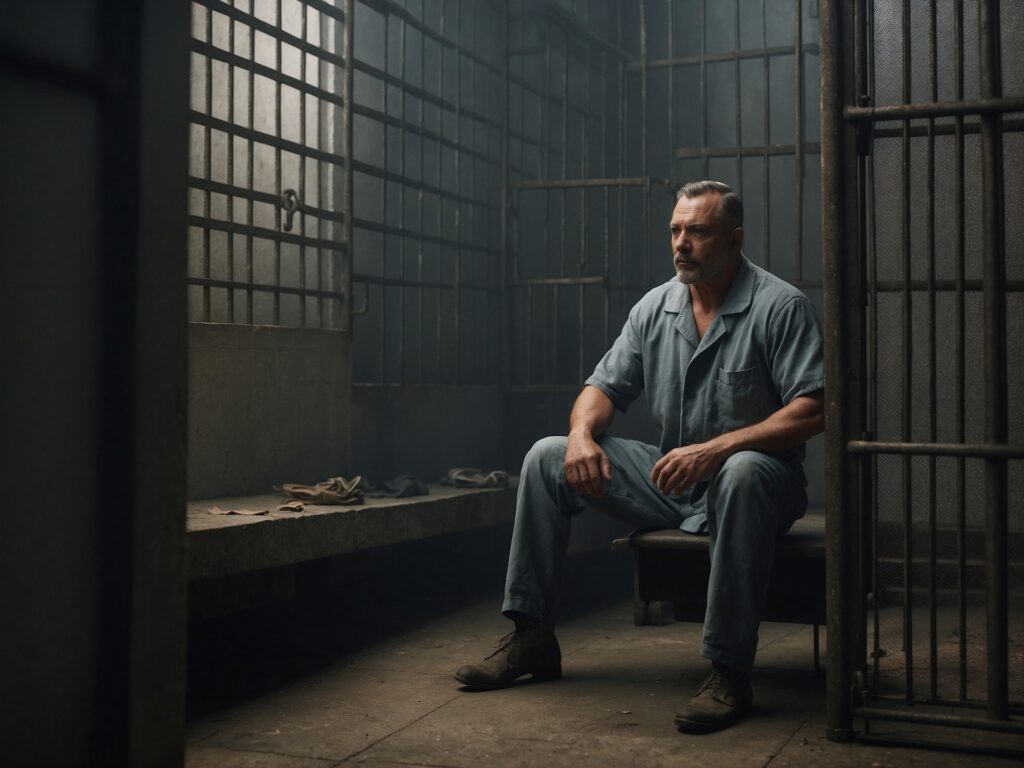
Incarceration can take many things from you—freedom, opportunities, and sometimes even your
sense of self. But one of the hardest things to reclaim after prison is the ability to love and be
loved again. Whether it’s reconnecting with family, building a romantic relationship, or learning
How to love yourself: post-incarceration love comes with layers of fear, guilt, and healing. The good
news? Love is still possible. It just takes patience, communication, and a fresh start—one that
begins with you.
Prison changes people. It has to survive it. Trust becomes harder. Vulnerability feels
dangerous. And emotions, especially softer ones like love, often get buried in order to stay strong.
According to the Vera Institute of Justice, more than half of incarcerated individuals report
severe disruptions in close relationships during their sentence. Romantic bonds often fall apart.
Parental roles shift, and even friendships can fade.
Once you’re released, reentering the emotional world can feel like stepping onto unfamiliar
ground. You might wonder:
“Will anyone accept me for who I am now?”
“Do I even deserve love?”
“Can I trust someone not to judge or leave me?”
These thoughts are everyday. But they’re not the end of the road.
Relearning Love Starts with You
Before anyone else can love you fully, you’ve got to reconnect with yourself. That means
Forgive your past, embrace your growth, and allow yourself grace.
1.
Practice Self-Compassion. Start by talking to yourself with the kindness you would offer a friend. “Yes, I made mistakes.
But I’m doing better now.” Positive self-talk helps rebuild confidence, which is the foundation
for healthy love.
2.
Address the Trauma: Prison is traumatic. So is separation from loved ones. Seeking counseling, especially through
trauma-informed or reentry-focused therapists, can help you process pain and rebuild emotional
strength. Organizations like Georgia Justice Project or Healing Communities USA offer support.
3.
Give Yourself Time. Don’t rush into a relationship to prove you’re “normal” again. Take your time. Explore who you
are outside of prison. Reestablish your identity. Love will come more naturally when you feel
secure in yourself.
Rebuilding Family Bonds
Family members—especially kids—may carry emotional wounds of their own. Rebuilding those
Relationships require patience, humility, and consistency.
Start Small: A text, a call, a letter. Small steps show commitment.
Acknowledge the Past: Don’t ignore the pain you may have caused. Saying “I know I
hurt you, and I want to do better” goes a long way.
Show Up Over Time: Trust isn’t restored overnight. Let your actions speak for you.
consistently.
Romantic Relationships After Incarceration
Dating after prison can feel intimidating. You might fear rejection or not know how to open up
about your past. But many formerly incarcerated people have found love—and so can you.
Tips for Healthy Post-Incarceration Dating:
Be Honest Early On—You don’t need to overshare, but hiding your past can lead to
mistrust later.
Choose Partners Who Respect Your Journey – Not everyone will understand, and that’s
Okay. Look for someone who listens without judgment.
Set Boundaries and Communicate Clearly – Healthy relationships are built on mutual
respect and understanding, not control or guilt.
Be Willing to Grow Together—Relationships involve work. Be open to learning and
adjusting with your partner.
Real-Life Story
Andre, a 40-year-old mechanic from Augusta, Georgia, spent 12 years in prison. After his
release, he didn’t date for two years—he focused on therapy, reentry programs, and rebuilding
his life. Then he met Dana through a faith-based recovery group. He was honest about his past.
And she respected his transparency. Today, they’re engaged and working together to mentor
others on the same path. “I had to learn to love myself before I could let anyone else in,” Andre
says.
Helpful Resources
Georgia Justice Project – Offers legal, reentry, and family reintegration services.
https://www.gjp.org
Healing Communities USA – Faith-based support for returning citizens and their
families. https://www.healingcommunitiesusa.com
Prison Fellowship – Relationship and parenting support for formerly incarcerated
individuals. https://www.prisonfellowship.org
Conclusion
Love after incarceration is possible. It doesn’t happen overnight—but it does happen. Whether
you’re repairing bonds, building new ones, or learning to love yourself again, the process is
worth it. Your past doesn’t cancel out your future. You are still worthy of love, connection, and
joy. Start with self-compassion, and let everything else grow from there.
Sources
Vera Institute of Justice. “The Impact of Incarceration on Families.”
Georgia Justice Project. https://www.gjp.org
Healing Communities USA. https://www.healingcommunitiesusa.com